




Organized by Montessori Institute Prague

Logo MIP na vysku bez textu

Practical Information

Everything you need to plan your visit to the Prague Montessori Congress 2027.

23–25 April 2027 · Prague

Prague montessori congress (1)
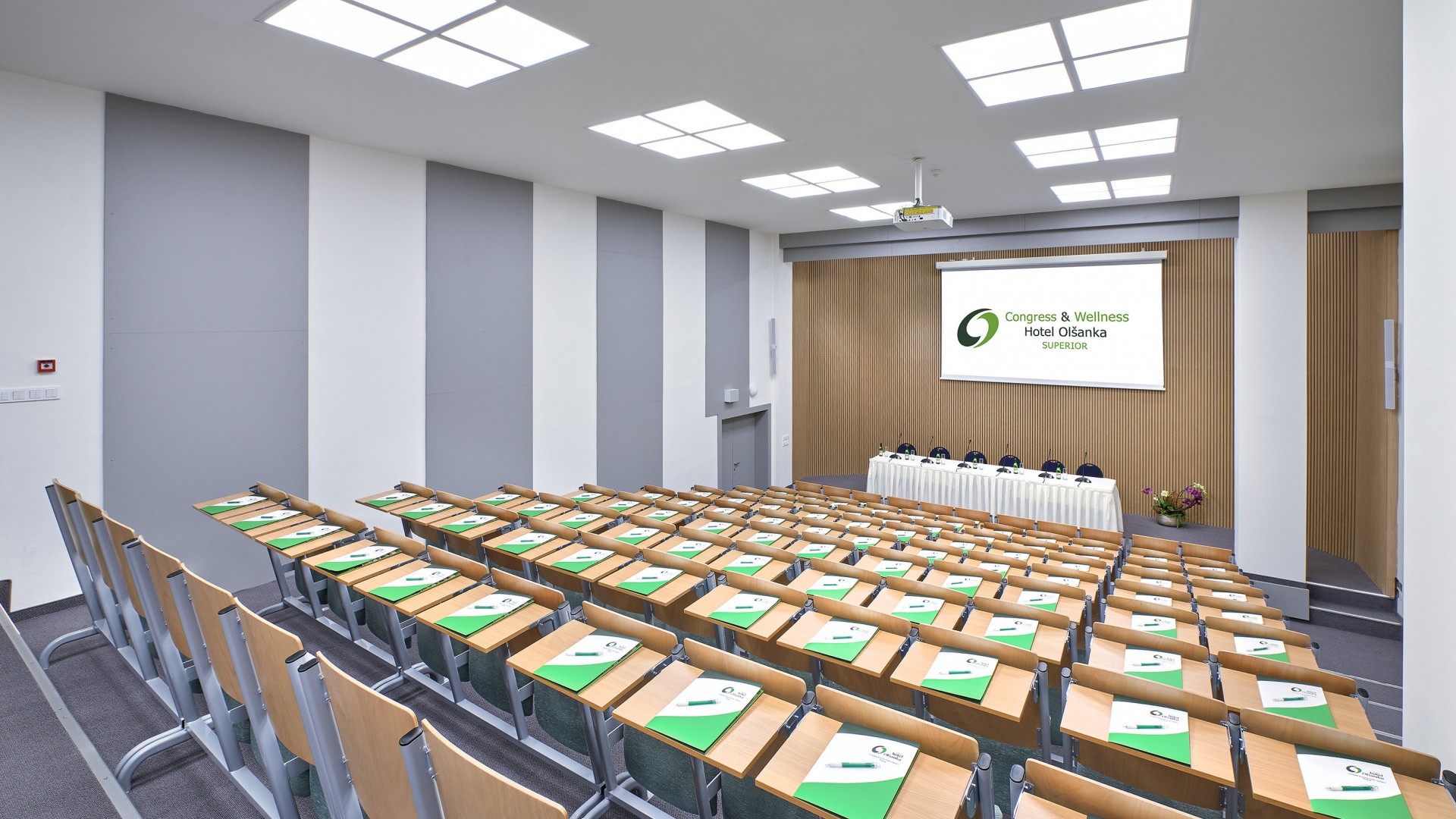
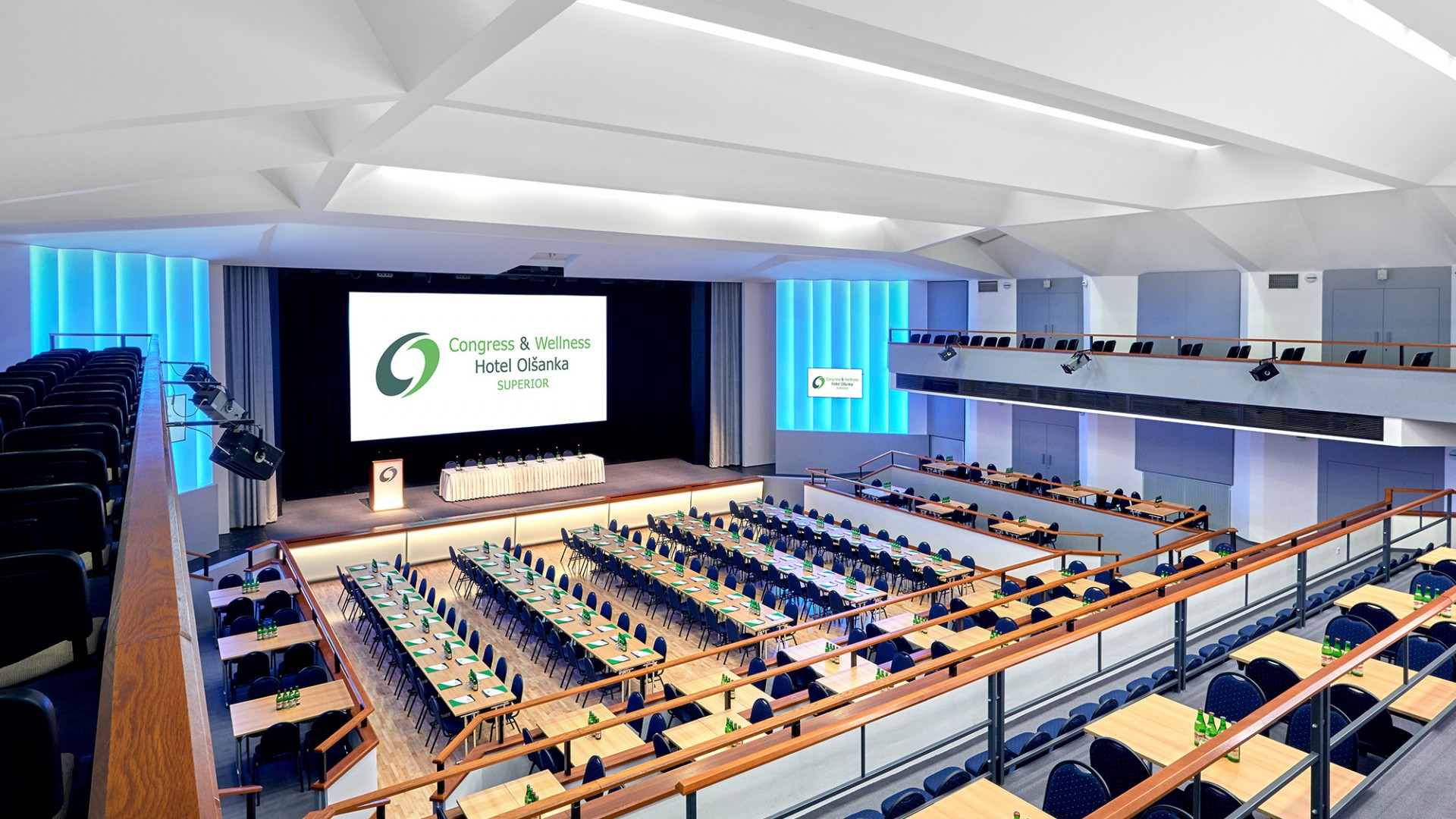
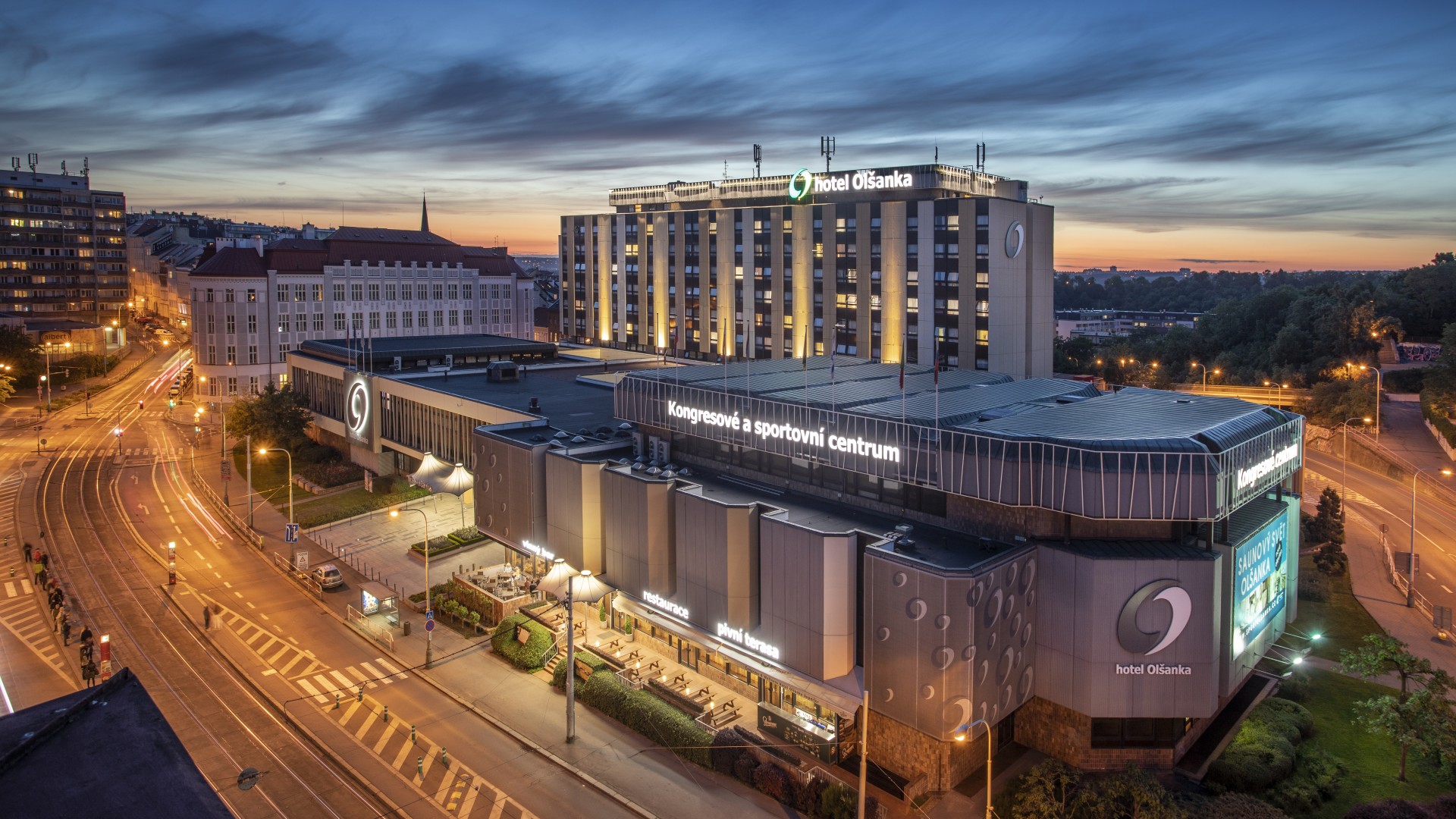
Kongresové centrum Olšanka in Prague
Venue & accommodation

Congress Venue

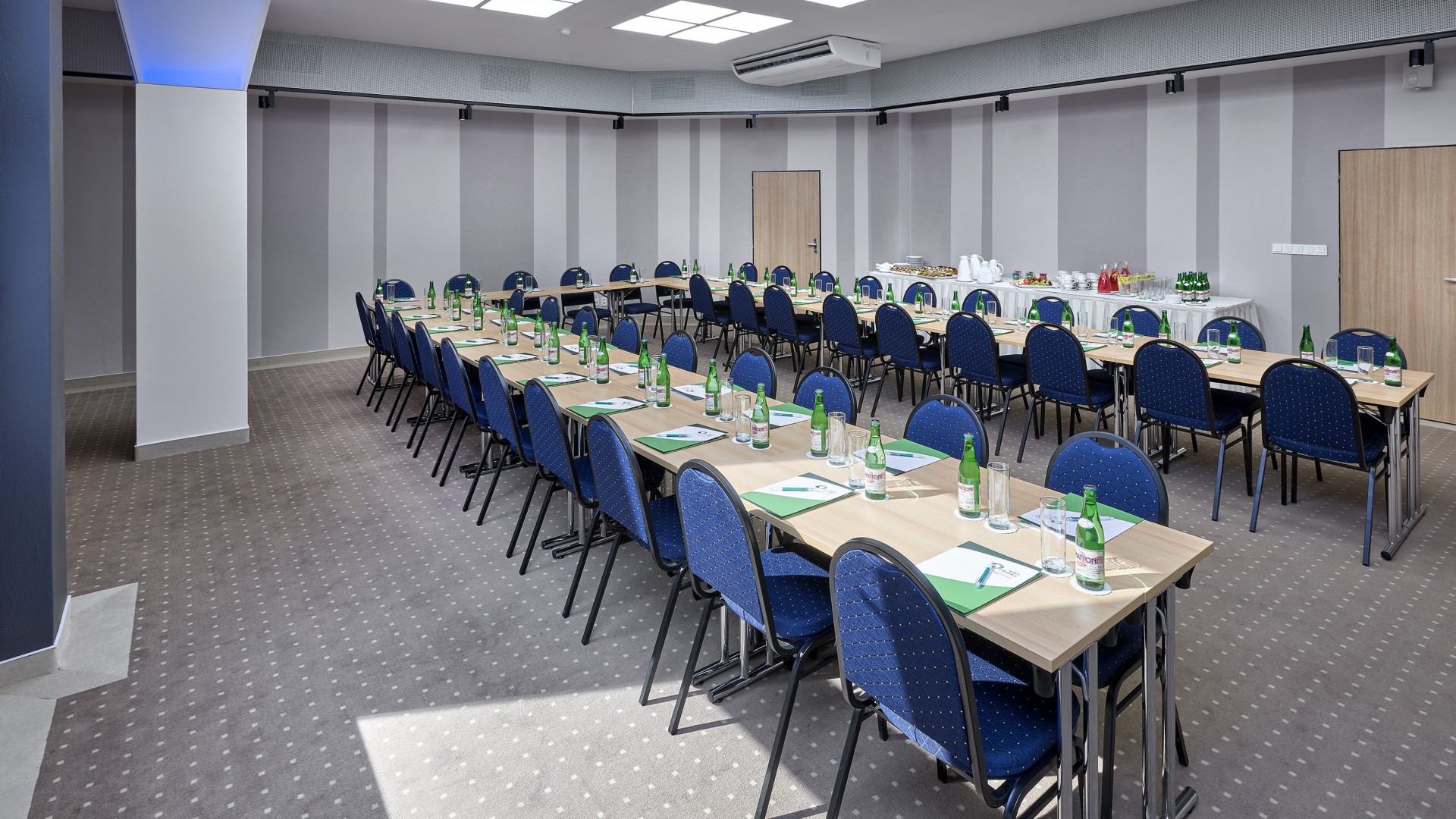
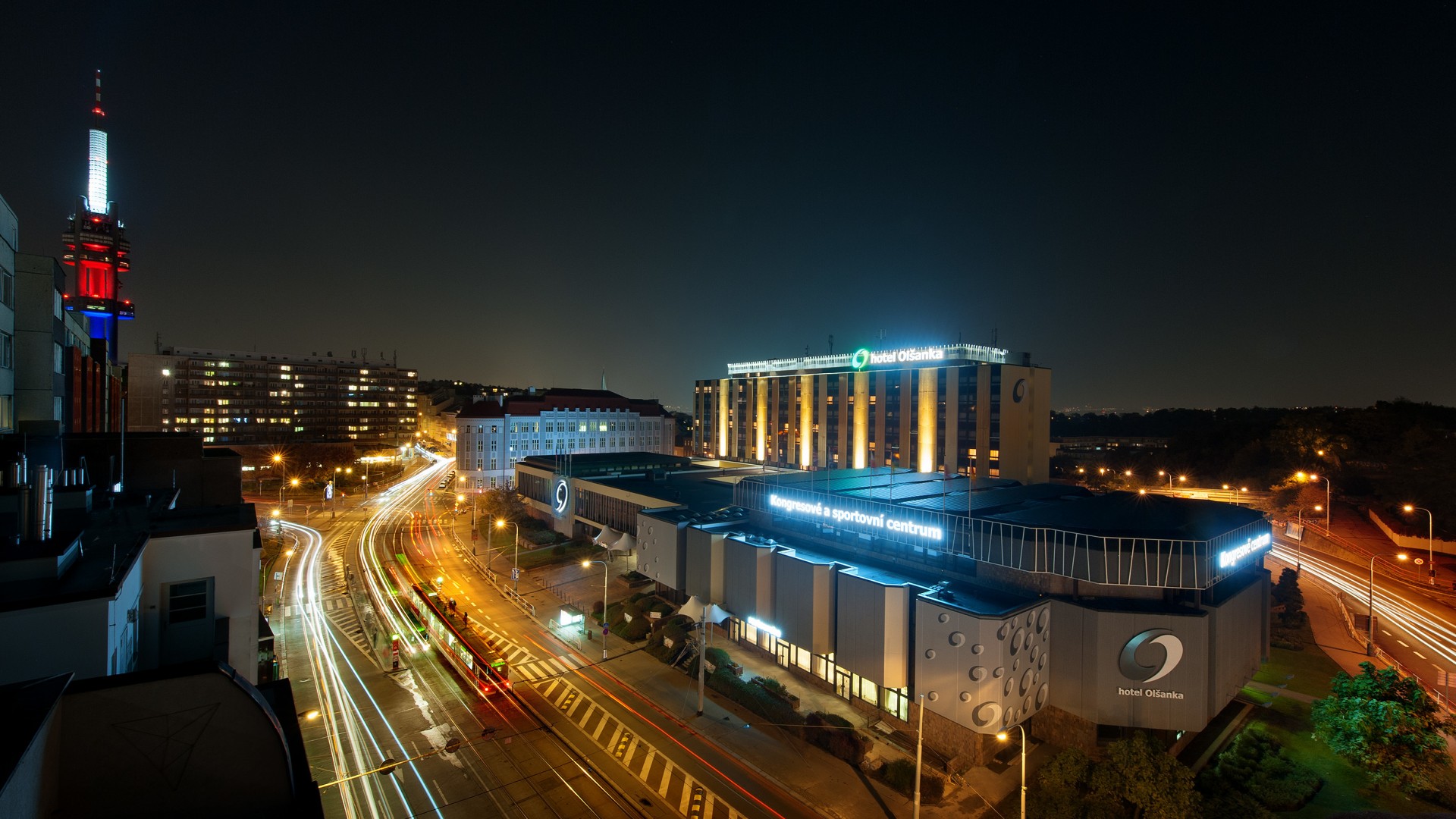
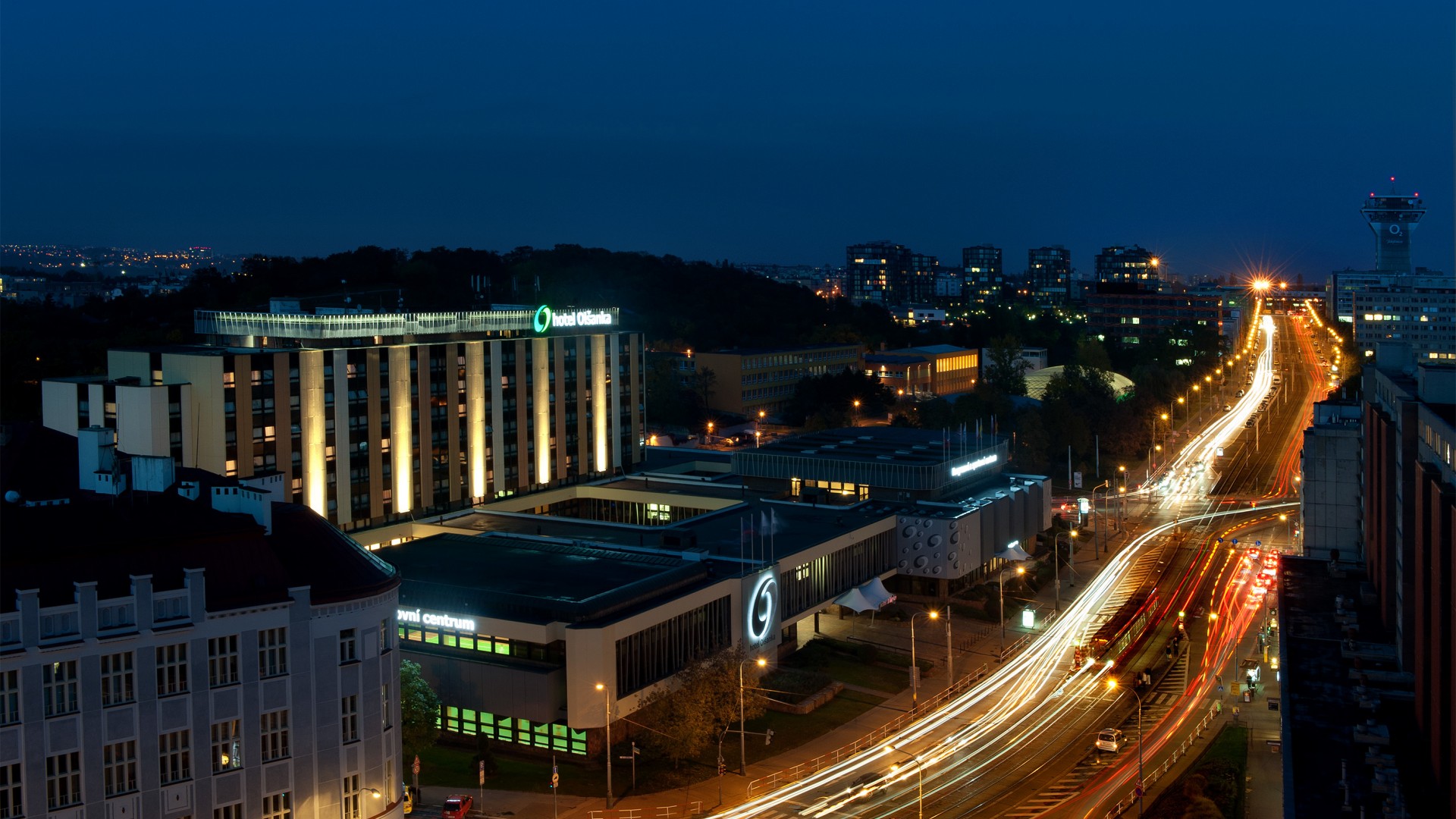
The Prague Montessori Congress 2027 takes place at Kongresové centrum Olšanka in Prague.

Kongresové centrum Olšanka

Táboritská 23
130 87 Praha 3
Prague, Czech Republic

Staying at the venue

Accommodation is available directly at Kongresové centrum Olšanka. Congress attendees have access to a special preferential rate for the congress dates, better than the standard public price.

Congress accommodation rates (23-25 April 2027, breakfast included):

Single room €75 / night
Double room €98 / night

After completing your congress registration, you will receive full booking instructions and contact details by email. Booking deadline: 2 March 2027, or until rooms are full.

For alternative accommodation, there are many hotels and apartments within easy reach of the venue, especially in the Žižkov and Vinohrady neighborhoods of Prague 3.
Tip: Staying at or near the venue can make the congress days easier, especially if you plan to attend the full program and spend time with colleagues between sessions.
Getting to Prague

Easy to reach from anywhere

Prague is well connected by air, train, and road, making it a convenient destination for congress participants from Europe and beyond.

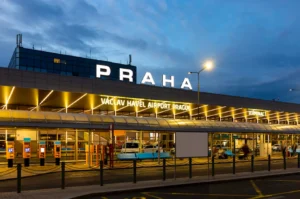
Prague airport

By air

Prague is served by Václav Havel Airport Prague, located approximately 17 km from the city center.

To the venue:
Taxi or rideshare takes about 30 to 40 minutes. Public transport takes about 45 to 55 minutes via Divoká Šárka and tram 26 to Olšanské náměstí.
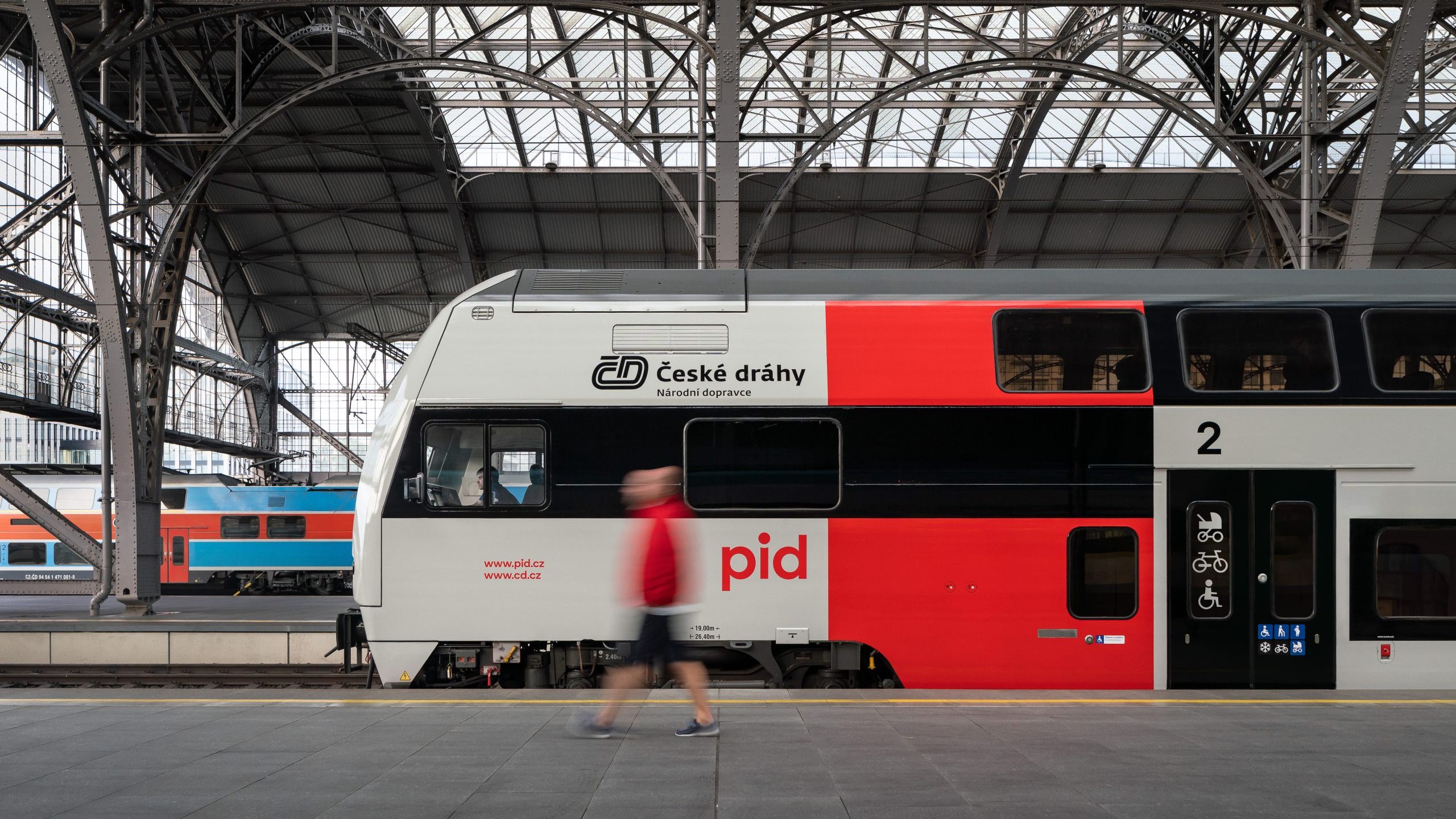
Train arriving in Prague

By train

Praha hlavní nádraží, Prague Main Railway Station, is well connected to cities such as Vienna, Budapest, Berlin, Munich, and beyond.

To the venue:
From the main station, take tram number 9 directly to Olšanské náměstí. The congress venue is right at the stop.
Driving in Prague

By car

Prague is accessible by motorway from most directions. Parking is available at and around Kongresové centrum Olšanka.

In the city:
We recommend using Prague public transport during your stay, as it is fast, affordable, and convenient.
Practical information

Getting around, visas, and more

Useful information for planning your stay during the Prague Montessori Congress 2027.

Getting around Prague

Prague has an excellent and affordable public transport network covering the entire city.

  • Trams run throughout the day and night. The closest stop is Olšanské náměstí, served by lines 9 and 26, among others.
  • The nearest metro station is Jiřího z Poděbrad on line A, approximately a 10-minute walk from the venue.
  • Single tickets, day passes, and multi-day passes are available at metro stations and via the PID Lítačka app.
Tip: Uber and Bolt operate widely in Prague. If using a street taxi, agree on the price before travelling.

Visa requirements

The Czech Republic is a member of the Schengen Area. Many visitors do not need a visa for short stays, including citizens of EU and EEA countries, Switzerland, the United Kingdom, the United States, Canada, Australia, and many other countries.

If you are unsure whether you need a visa, please check the official website of the Czech Ministry of Foreign Affairs or contact your nearest Czech embassy or consulate well in advance.

Invitation letter: If you require an official invitation letter for your visa application, please contact us at courses@amiprague.cz.

About Prague

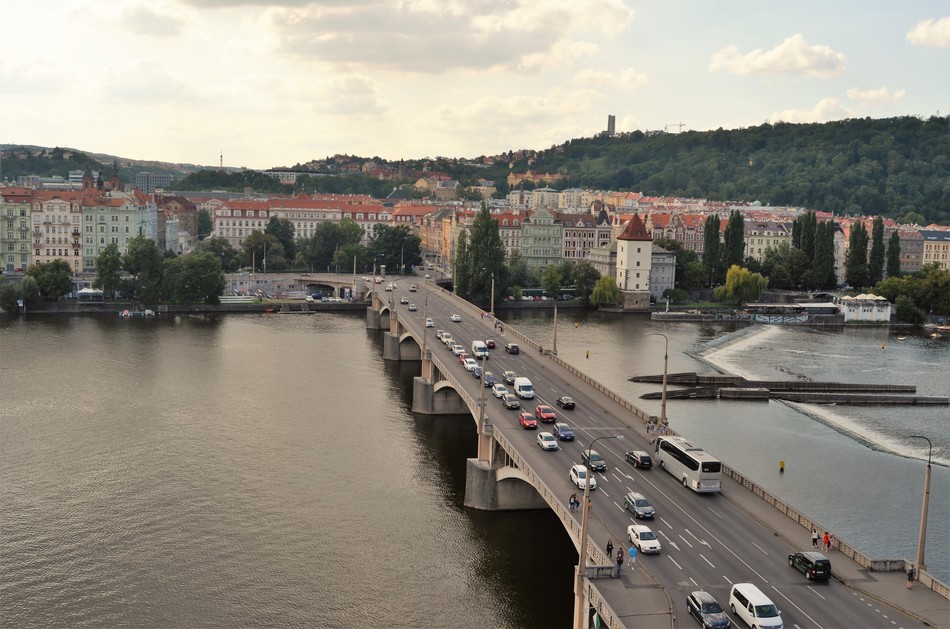
Prague is the capital of the Czech Republic and one of Europe’s most beautiful cities, with a compact, walkable city centre, rich cultural life, and excellent transport connections.

The congress venue is located in the Žižkov district, close to Vinohrady, with restaurants, cafés, and parks within easy walking distance.

The historic city center, including Old Town, Charles Bridge, and Prague Castle, is reachable in under 20 minutes by metro.

April in Prague: Spring usually brings mild temperatures, longer days, and the city before the summer crowds arrive.

Stay connected

The full congress program is still taking shape, and more details will be shared gradually.

Stay with us as we announce speakers, themes, venue information, ticket updates, and practical details for your visit to Prague.

Join the mailing list and be among the first to receive news about Prague Montessori Congress 2027.

AMI 12–18 Educator and Writer

David Kahn

A leading voice in Montessori adolescent education, with a long-standing focus on the philosophy, psychology, and educational goals of the 12–18 plane of development.

David Kahn is one of the foremost voices on Montessori adolescent education in the English-speaking world. He holds a B.A. in fine arts and classics from the University of Notre Dame and the AMI Montessori Elementary diploma from Bergamo, Italy.

He has seventeen years of Montessori teaching experience, twelve of them as teaching principal at Ruffing Montessori School in Cleveland Heights, Ohio.

His writing on the philosophy, psychology, and educational goals of Montessori adolescent education has been widely published in the field.

AMI 6–12 Trainer

Baiba Krumins Grazzini

AMI 6–12 Trainer and Director of Training at FCISM Bergamo, continuing one of the oldest AMI elementary training traditions in the world.

Baiba Krumins Grazzini is an AMI 6–12 Trainer and Director of Training at the Fondazione Centro Internazionale Studi Montessoriani, FCISM, in Bergamo, Italy. FCISM is the first and oldest AMI elementary training institute, established by Mario Montessori himself in 1961.

Baiba was Co-Director of Training with Camillo Grazzini from 1992 to 2004 and has been the sole Director of Training at FCISM since 2004. Her work is closely connected with AMI elementary training, cosmic education, and the foundations of Montessori practice for children aged 6–12.

She has lectured internationally in Spain, Ireland, India, and Japan, where she gave the first elementary training course. Through her long work in Bergamo and abroad, Baiba continues the elementary training tradition that has shaped AMI Montessori education across generations.

Keynote Speaker

Lynne Lawrence

Executive Director of the Association Montessori Internationale, leading AMI’s global work in teacher training, research, development, and Montessori educational projects.

Lynne Lawrence has been Executive Director of the Association Montessori Internationale since 2008. Before that, she served as AMI General Secretary ad interim and headed the AMI Human Resources Committee.

She was Director of Training and Schools at the Maria Montessori Training Organisation, now the Maria Montessori Institute, from 1989. This role placed her at the centre of AMI-recognised teacher training for nearly two decades before she took on the global leadership of the association.

In her role as Executive Director, Lynne actively promotes AMI's involvement in Montessori educational projects in developing countries, alongside teacher training programmes globally, research and development, and the many other areas of the association's work.

AMI 0–3 Trainer

Heidi Philippart

AMI 0–3 Trainer shaping how Montessori principles are applied from birth, in both the home and the prepared environment.

Heidi Philippart M.A. (Edu), AMI (Dip), lives and works in Amsterdam. She was first introduced to Montessori in the late 1980s and early 1990s while working under the guidance of Patty Wallner (AMI Assistants to Infancy Trainer) and Silvana Montanaro, founder of the AMI Assistants to Infancy programme.

Heidi trained in Denver with Judi Orion at the Assistants to Infancy level and has worked extensively within the 0–3 environment. She is an AMI Trainer at the Assistants to Infancy level, as well as an AMI Trainer of Trainers and External Examiner.

In 1996, she opened her first Montessori school, which she continues to run in the centre of Amsterdam, working with approximately 80–90 families each year.

Her work focuses in particular on supporting parents in the application of Montessori principles and bilingualism in the home environment. She has lectured extensively both in the Netherlands and internationally, including in France, the USA, Australia, Britain, Japan, Vietnam, India, China, and South Africa, on topics such as toilet independence, preparation of the home environment, and the development of the child from birth to three.

AMI 3–6 Trainer

Madlena Ulrich

AMI 3–6 Trainer bringing decades of classroom practice and international training experience to early childhood Montessori.

Madlena Ulrich spent her childhood in Germany, where she attended a Montessori Elementary school.

She later moved to Norway and obtained a Bachelor’s degree as a preschool teacher at the University College of Vestfold. She completed her AMI 3–6 training at Mount St. Mary’s Montessori College in Dublin.

Since 1995, she has worked in Montessori classrooms and has been actively involved in the development of Montessori education in Norway through lecturing and serving as Vice President of the national Montessori association (NMF).

In 2008, she began her Training of Trainers, working for two years with Molly O’Shaughnessy in Minnesota and attending a summer course with Ulla Wikefeldt in Sweden.

Since 2010, she has been training students in Norway, working in close collaboration with Carla Foster (AMI 6–12 Trainer). She is also part of the AMI China Faculty and has contributed to courses in China, Russia, Romania, and Thailand, gaining extensive multicultural experience in the application of Montessori pedagogy.

Madlena regularly delivers lectures and AMI certificate courses internationally.

AMI 6–12 Trainer

Carla Foster

AMI 6–12 Trainer contributing to the development of AMI timelines and deepening how we present human history to the child.

Carla Foster is an AMI Elementary Trainer originally from California and has been living in Norway since 1995.

She holds AMI diplomas at both the 3–6 and 6–12 levels, from MMI London and the Montessori Institute of Milwaukee. She has worked with children aged 3–6, 6–9, and 9–12 in both private and public Montessori schools.

Carla has been an AMI Elementary Trainer since 2011.

In recent years, she has been part of the creation committee for the new AMI timelines of human beings and the chart of the Family Tree of Hominins, giving her a unique insight into the reasoning behind how human history is presented within Montessori education.

AMI 12–18 Trainer

Françoise Sansoni

AMI 12–18 Trainer bringing a cross-plane perspective informed by work in infancy, primary, and adolescent Montessori environments.

Françoise Sansoni was born and raised bilingually and biculturally in the United Kingdom. She later moved to France and then to the United States in 1996 as a young mother of two.

She has been involved in Montessori education for approximately 25 years.

Françoise began her Montessori journey with an AMI Primary diploma and deepened her understanding of pedagogy and practice through several years of work with young children.

She later completed her 12–18 training and consolidated her experience through work in adolescent communities, alongside lecturing. From its inception, she has been part of the 12–18 Training of Trainers programme.

Françoise is now an AMI 12–18 Trainer and holds AMI diplomas at the Assistants to Infancy, Primary, and 12–18 levels. She offers lectures, workshops, and certificate courses in both French and English.